
Author: Jhilmil Rathore (Student Volunteer) | 8th November 2025

“What if labelling a child as ‘difficult’ is the easiest thing to do—but also the most damaging?”
We often throw around the term “difficult child” like it’s nothing—a shrug of frustration, a label to make life easier. But what does it really mean? And more importantly, do we ever pause to consider what the child might actually be experiencing beneath the surface?
Especially when it comes to children with special needs, calling a child “difficult” oversimplifies a complex reality. Every challenging behaviour is a message—a way for them to say, I’m struggling, I need something, I don’t know how else to show it. What seems like defiance, disinterest, or stubbornness often masks unmet emotional or physical needs, or even an inability to express themselves in a way adults understand.
Children are messy, chaotic, and yes—a handful. But they are also incredibly innocent, curious, and tender. And here’s the thing: we forget that when we were children, we didn’t always reflect on our own behaviour either. We didn’t always know why we acted the way we did, or why certain things frustrated or frightened us. That’s why empathy is so vital—not just a quick nod of sympathy or a sigh of “poor kid,” but empathy paired with patience, compassion, and knowledge. That’s how we actually help a child grow.

I remember being “bad at math” growing up. At home, at school, in tuition classes, and even among peers, I was quickly labelled as the girl who is “weak in maths.” Over time, I started to believe it—math was my weak point, just like everyone has one. Only now do I realize that yes, I may have been slower with numbers, but with the right support, encouragement, and teaching, I could have improved. Maybe I wouldn’t have been the best, but I wouldn’t have been reduced to a sense of self-worth so diminished that I stopped trying altogether. Labels like this shape a child’s identity and can create adults who feel incapable of change, simply because someone told them they were limited.
In my experience working with children with special needs, I’ve seen therapists and educators use the term “difficult” far too often. And it’s not just a label—it often changes how the child is treated. A child experiencing sensory overload might be blamed for their behaviour, ignored, or even denied the very support they came for. Even with neurotypical children, the pattern is similar. One child showing rebellious or “naughty” behaviour can be dismissed without anyone asking why. Emotional outbursts are often quickly judged as misbehaviour, ignoring the possibility that the child may be dealing with challenges at home or reacting to something difficult that happened. Many children go undiagnosed for neurodevelopmental disorders like ASD or ADHD simply because their behaviours are misinterpreted as being “difficult,” “lazy,” or “stubborn.” And when children are misunderstood, they miss the attention, care, and guidance that could help them thrive—sometimes for the rest of their lives.
Shelja Sen captures this sentiment beautifully in her article “There is nothing like a difficult child” (Indian Express, 2023), emphasizing that what we perceive as “difficult” behaviour is often a signal of deeper struggles and needs. Whether a child is neurodivergent or neurotypical, mislabelling or neglecting their emotional needs can have long-term consequences.
It’s also worth reflecting on our own childhoods. We were children once too, and thinking back to our experiences can change how we respond today. How would we have wanted to be treated if we were struggling? How would we have wanted our emotions, mistakes, or quirks to be seen and understood? By stepping back and examining our own biases, frustrations, and unexamined expectations, we can begin to notice the ways we label and judge children. Introspection isn’t just personal—it directly affects how we guide, support, and empathize with the next generation.
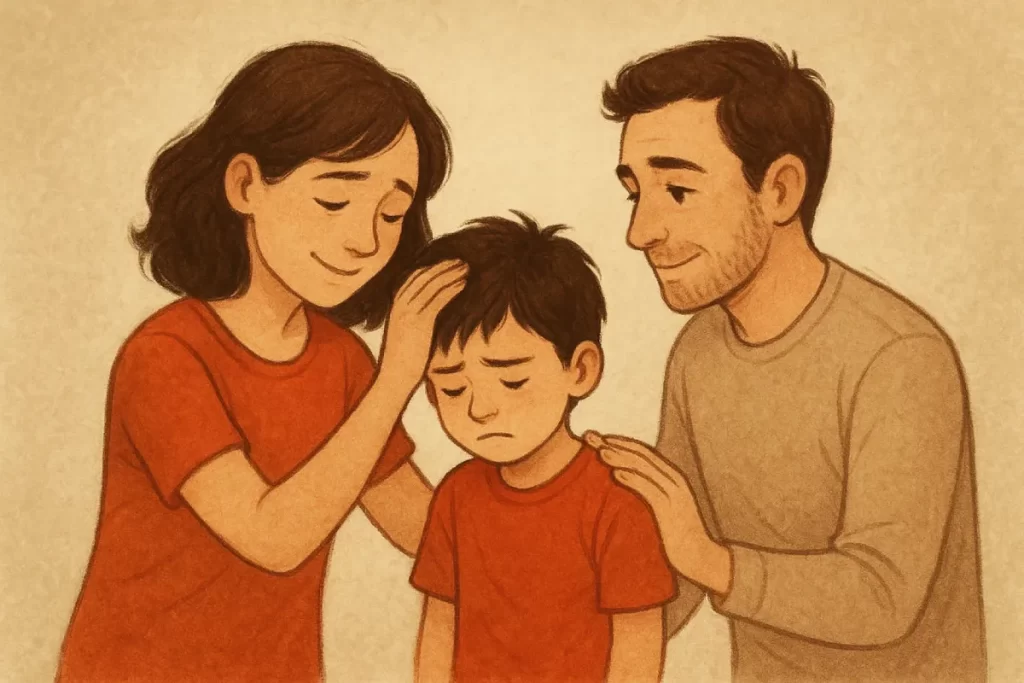
So, what can we do differently? Pause before labelling. Observe, listen, and ask why a child is acting a certain way. Consider the context—emotional, familial, or environmental factors that might be influencing them. Respond with support rather than correction. Encourage growth by focusing on strengths, not just weaknesses. Collaborate with teachers, parents, and therapists to create an environment where the child feels understood. Empathy without action is just pity. Compassion without understanding is empty. Knowledge without patience is ineffective. But combined, they create a space where any child can feel, be seen, heard, and valued.
Instead of labelling, let’s listen, support, and guide—because every child deserves to be seen, not judged.
Reference: Sen, S. (2023). There is nothing like a difficult child. Indian Express