
Author: Dr Jyotsna Wadhwa (Consultant Psychologist) | 11th October 2025

Dementia is a neurological condition characterized by a progressive decline in cognitive functioning, affecting memory, social abilities, and thinking skills. It typically arises from underlying neurological conditions and is most commonly observed in older adults, though in some cases, younger individuals may also be affected. While there is currently no cure for most forms of dementia, timely treatment and well-planned interventions can help patients and their families manage day-to-day life more effectively and improve overall quality of life.

As psychologists, our primary focus lies in designing interventions that utilize a range of therapeutic techniques and approaches. Since no single intervention can adequately meet the needs of every individual, therapy must be tailored to the patient’s unique condition, abilities, and stage of dementia. Each patient progresses differently, and therefore, the approach to care must remain flexible and individualized.
In practice, we often rely on the patient’s life history to guide interventions. Since individuals with dementia may not be able to recall their own likes and dislikes, their past routines and experiences become valuable resources in planning activities. Incorporating tasks that patients have been familiar with for years can spark interest, provide comfort, and enhance engagement, while also exercising their cognitive skills.
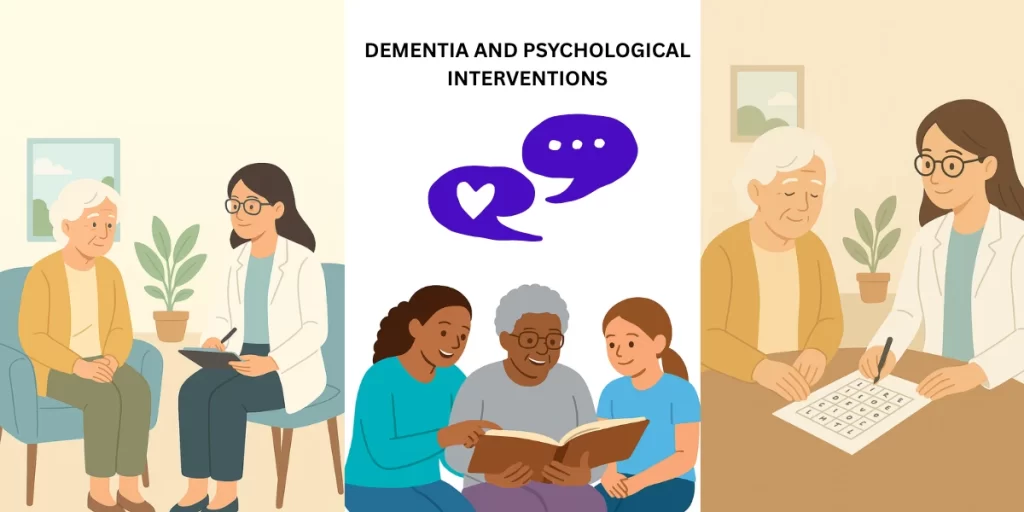
For example, if an elderly patient previously led a kitchen-oriented life, familiar tasks such as peeling almonds, sorting vegetables, picking coriander leaves, folding clothes, or buttoning and unbuttoning shirts can be introduced as part of their intervention plan. These activities not only stimulate memory and motor coordination but also restore a sense of independence and purpose. Similarly, for patients who were educated or engaged in professional work, interventions might include reading, writing, or simple copying tasks. Such activities align with their lifelong experiences and encourage the continued use of existing cognitive abilities.

Equally important is the role of family members in dementia care. Families should be counseled and encouraged to spend meaningful time with patients—showing photo albums, sharing meals, engaging in conversations, accompanying them on grocery trips, or visiting familiar religious places. These simple yet powerful interactions help patients feel included, supported, and emotionally connected, preventing feelings of isolation.

Ultimately, dementia care is not only about medical management but also about creating opportunities for patients to engage with life in ways that are familiar, meaningful, and stimulating. Thoughtful psychological interventions, combined with family involvement, enable patients to use their remaining cognitive and thinking skills more effectively, while ensuring that they feel valued and never left out.